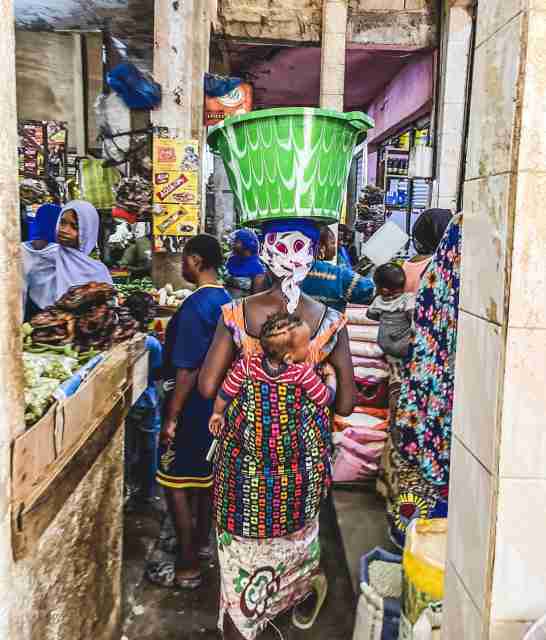
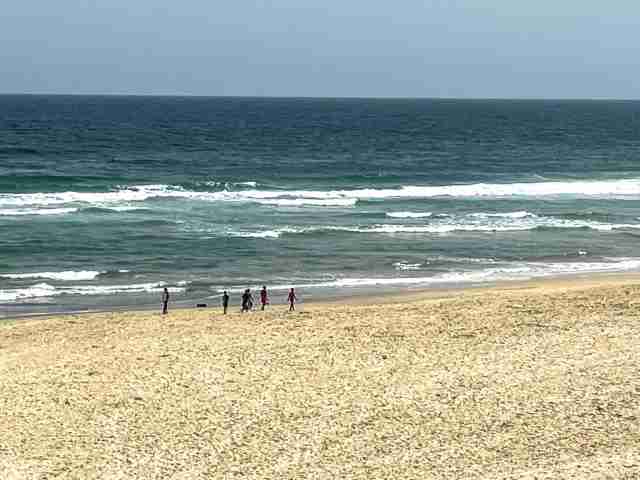
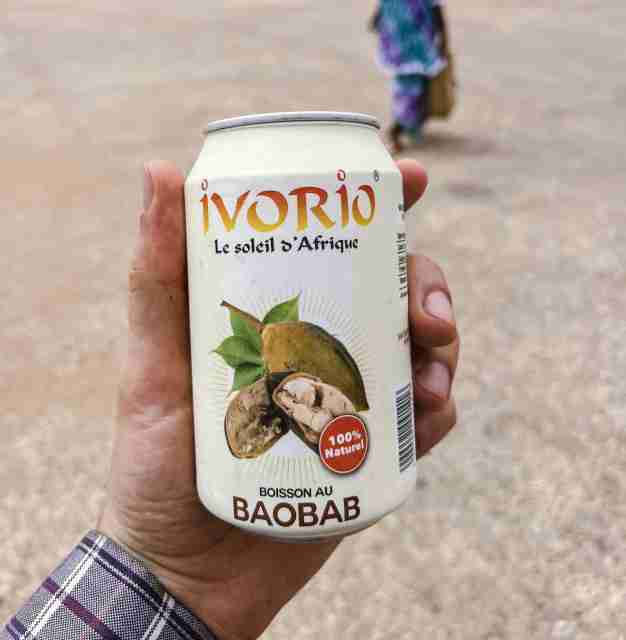
Senegal, situated on the western coast of Africa, is a land of rich history and diverse landscapes. Its shores are washed by the Atlantic Ocean, offering sandy beaches that stretch along the coastline. Inland, the landscape varies from desert plains in the north to lush tropical forests in the south. Everywhere there is 'teranga', the proverbial hospitality that makes the Senegalese people proud.
Archaeological findings indicate that Senegal was inhabited in prehistoric times. Islam was established in the Senegal River valley in the 11th century; 94% of Senegalese today are Muslims. In the 13th and 14th centuries, the area came under the influence of the Mandingo & Jolof Empires. France established its dominance over Senegal in the 19th century, incorporating it into French West Africa. In 1959, Senegal and the French Soudan merged to form the Mali Federation, which became fully independent in 1960. Due to internal political difficulties, the Federation broke up the same year. Senegal and Soudan (renamed Mali) proclaimed independence. Leopold Sedar Senghor, internationally known poet, became Senegal's first President in August 1960. Since then, Senegal is one of the few African countries to not have suffered a bloody coup.
In general, contemporary Senegal is comparatively well developed for tourism today, at least by African standards. A large proportion of this, however, is simply mainstream beach holidays, especially in the resorts around Saly. But there's also some cultural, wildlife and scenery tourism.
Saint Louis
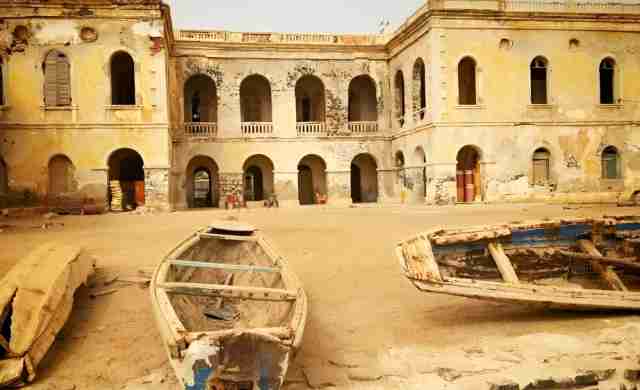
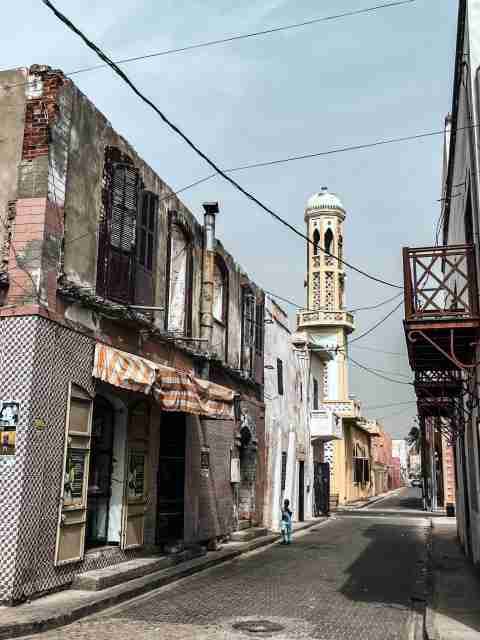
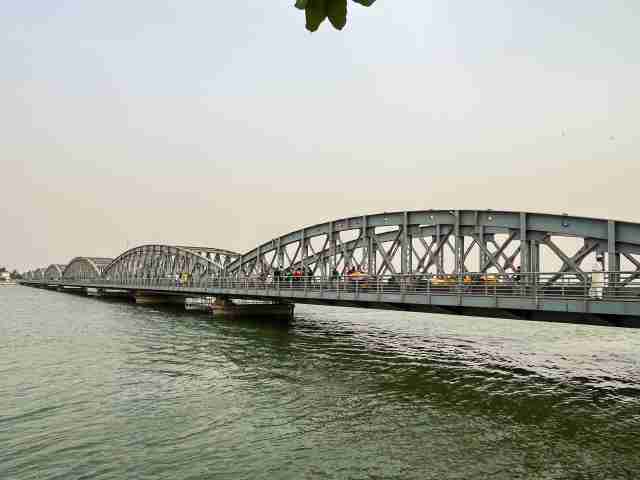
The city of Saint-Louis is a historical testimony to the ambitious colonial expansionism in West Africa. Founded in 1659 by Louis Caullier on the Ndar Island, it began as a trading station and military outpost, but soon became an important cosmopolitan urban centre. The metallic Faidherbe bridge, called the 'horizontal Eiffel Tower', connects the island to the mainland and legend has it that Eiffel himself designed it. Immediately after the bridge is the historic Hotel de la Poste, a hotel where airline pilots stayed during the colonial era. Further on is the monumental Governor's Palace, flanked by the Rognât Casernes dating from 1837. Not far away is the neo-classical Cathedral and to the north the Grande Mosquée.
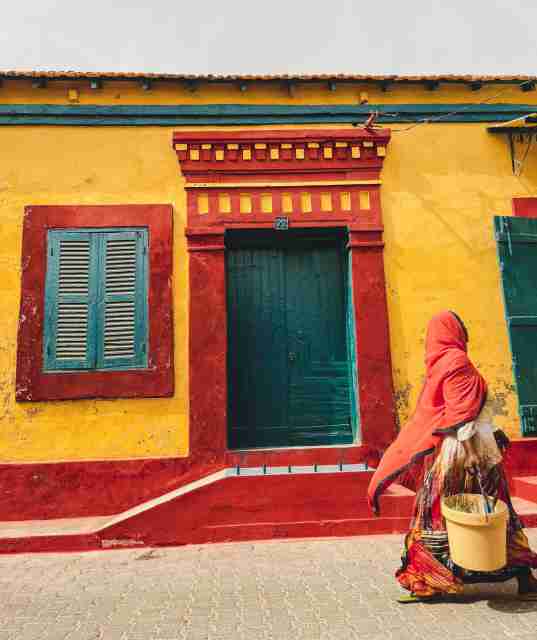
A typical horse-drawn carriage made of coloured iron will take you around the colonial alleyways of Saint Louis, where you can find pastel-coloured houses with wooden or wrought-iron balconies covered in bougainvillea, panoramic views over the river and the spectacular Faidherbe bridge, the old military outposts and the fish market with its traditional fishermen's quarter. Saint Louis is also a good place to try the thieboudijenne, Senegal's national dish, in one of the city's historic restaurants.










Dakar
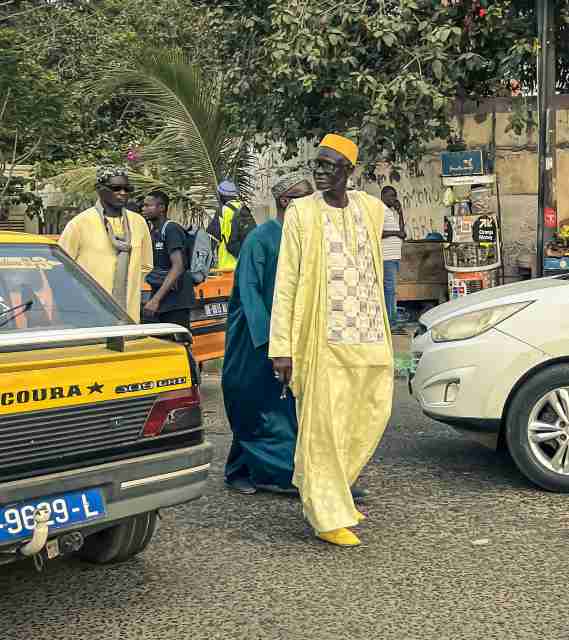
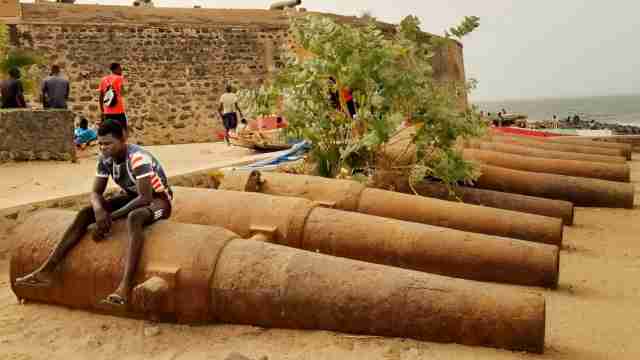
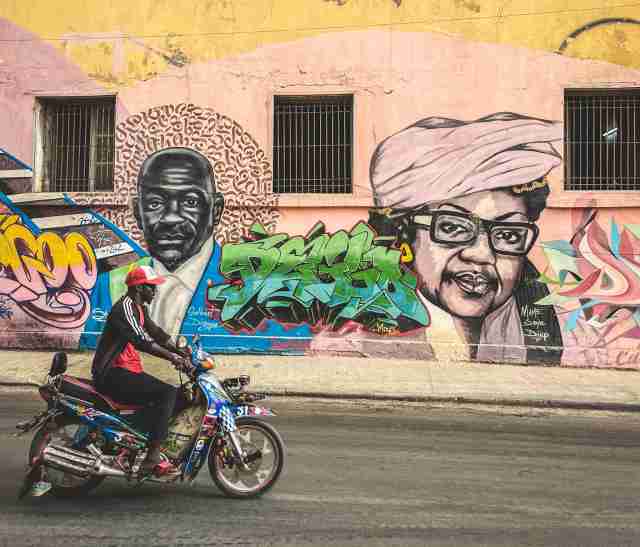
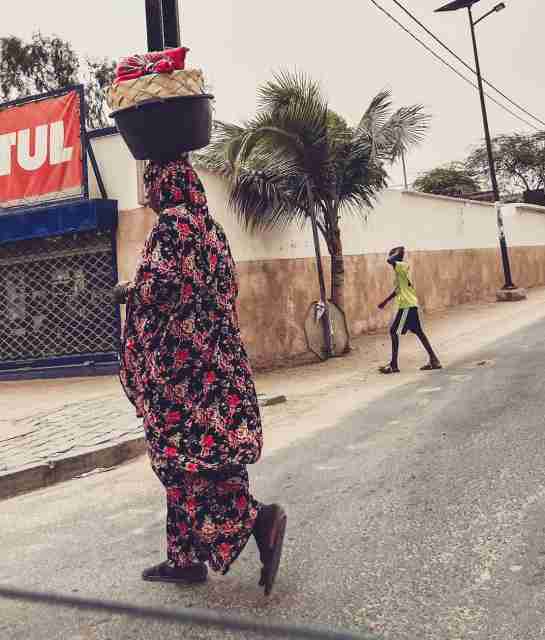
The capital city Dakar is a very African metropolis, ie a frenetic mix of colours, noise, chaos; compared to many other African cities Dakar is actually relatively safe. Dakar's main claim to fame, or rather infamy, is primarily due to the transatlantic slave trade. One place in particular stands out: the tiny little island of Goree in the bay looking on to Dakar harbour. Being the westernmost African trading post made it crucial in the shipment of slaves across the sea to the New World.
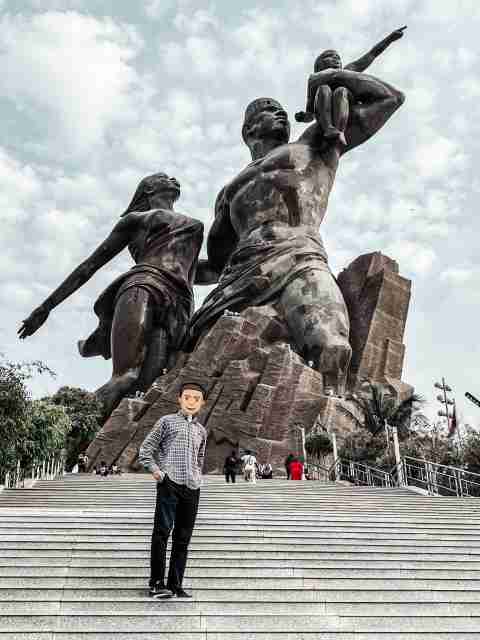
Then once past the shiny Mosquee de la Divinite nestling in a little fishermen's cove, head inland and you'll come to the massive African Renaissance Monument – visible from far away already. This is a huge statue that was built by North Korea. The monument consists of a massively oversized sculpture of a man holding his wife in one arm behind his back and a baby up into the air in the other in front of him, while the baby is pointing resolutely ahead. The African Renaissance Monument ("Monument de la Renaissance Africaine") was commissioned on orders of then president Abdoulaye Wade and construction began in 2006. It was finished in 2010, and unveiled on the 50th anniversary of Senegal's independence in a pompous ceremony with several (mostly African) heads of state and other dignitaries present. The statue remains highly controversial for the excessive amount of money spent on it (circa 25 million USD). This is widely considered an irresponsible waste of funds when the country could instead do so much better with investment in more useful things. Whatever you may think of it ideologically or aesthetically, it is certainly impressive in its sheer size – it really is quite stupendously oversized: at 50m it's the tallest statue in the whole of Africa.